

Santa Teresa Beaches for Every Kind of Day
- September 27, 2026
- Blog
Plan relaxed beach days on Costa Rica’s Nicoya Peninsula with this guide to Santa Teresa beaches, surf breaks, swimming spots, sunsets, and... Read More
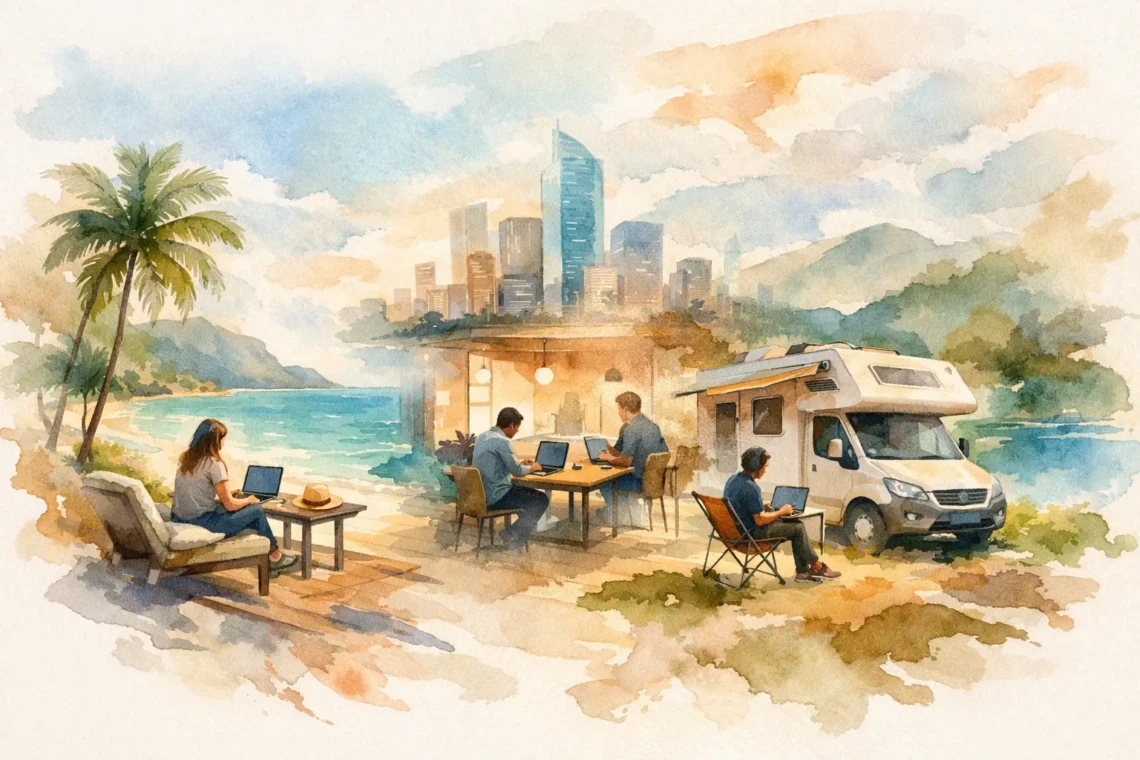
A few years ago, many remote workers were happy with a small apartment, a café nearby, and decent Wi-Fi. That picture has changed. Digital nomad housing trends now point to something more settled – places that feel calm, comfortable, and genuinely livable for weeks or months at a time.
That shift matters for travellers planning a stay in Costa Rica, especially those who want more than a bed close to the action. People are still choosing beautiful destinations, of course, but they are getting more selective about what kind of daily life those destinations can support. Workdays, rest, privacy, and reliable amenities now carry as much weight as beach access.
The biggest change is simple: remote workers are acting less like short-stay tourists and more like temporary residents. They still want inspiring places, but they also want homes that support routine. A property that looks great in photos is no longer enough if the kitchen is limited, the internet is inconsistent, or the space feels crowded after three days.
This is why longer stays continue to shape the market. Many nomads are booking for several weeks, one month, or even a full season. They are blending work and travel in a way that makes housing quality more important. Laundry, storage, comfortable seating, air conditioning, outdoor space, and a quiet place for calls are no longer nice extras. For many guests, they are part of the minimum standard.
There is also a clear move away from high-density, high-noise accommodation. Shared hostels and busy hotel zones still have a place, especially for younger travellers or very short trips, but more remote workers are choosing private homes, villas, and small-scale stays. The reason is not only comfort. Privacy helps people maintain a schedule, sleep better, and separate work from downtime.
One of the strongest digital nomad housing trends is the demand for work-ready housing that does not feel corporate. Most people do not want to live in a space that looks like a business hotel for two months. They want warmth, natural light, and a sense of place. At the same time, they need functional details that make remote work realistic.
Reliable internet is still the first filter. But once that box is checked, travellers look more closely. They notice whether there is a proper table instead of a bar stool, enough outlets in the right places, good lighting for calls, and enough room to spread out. Couples travelling together often need even more flexibility, especially if both are working.
The strongest properties are the ones that understand this balance. They feel relaxed and connected to the destination, yet they remove the little frictions that can make a long stay tiring. A peaceful setting can be a major advantage, but only if it comes with practical comfort.
Price still matters, but value is being measured differently than before. A private stay with a kitchen, outdoor area, laundry, and dependable Wi-Fi can make more financial sense than a cheaper room that forces guests to work in cafés, eat every meal out, and adapt to noise.
This is one reason standalone villas and fully equipped rentals continue to attract longer-stay guests. People are doing a more honest calculation of what helps them feel good for a month, not just what looks affordable for two nights. In destinations where nature is a big part of the experience, privacy also gives guests something they cannot get in a crowded accommodation setting: quiet mornings, space to reset, and a closer connection to the environment.
For many remote workers, that quieter rhythm is not a luxury. It is what makes the trip sustainable.
Another important shift is where nomads are choosing to stay. Big-name hubs still draw attention, but many travellers are moving slightly outside the busiest core areas. They want access to beaches, restaurants, and activities, yet they do not always want to sleep in the middle of the noise.
That is especially relevant in places like the Santa Teresa area, where people often come for surf, nature, and a slower pace. The most appealing housing is often not the loudest or most central option. It is the one that gives easy access to different beaches and towns while still offering a calm base to return to after a full day.
This does not mean everyone wants total isolation. It depends on the traveller. Some want walkability above all else. Others are happy to drive a short distance if it means more space, more peace, and a better long-stay setup. The trend is less about being remote and more about being intentional.
A few years back, listings often focused on style first. Now practical amenities are doing more of the heavy lifting. Guests still care about design, but they are reading listings with a different eye. They want to know how the property actually works for daily life.
A full kitchen matters because long stays rarely fit restaurant spending every day. Laundry matters because travelling light is easier when guests can wash clothes at home. Air conditioning matters in warm climates, especially for sleep and productive afternoons. Outdoor space matters because people are not only on holiday – they are living there temporarily.
Even small details can shape booking decisions. Is there enough fridge space for groceries? Is the shower comfortable after a surf session? Can someone take a meeting without background noise? These questions sound ordinary, but they are exactly what longer-stay guests care about.
Housing preferences are changing, and booking behaviour is changing with them. More remote workers want flexibility because their plans can shift. Some arrive for two weeks and decide to stay longer. Others book a month but want the option to move depending on work, weather, or travel routes.
This has made direct communication more valuable. Guests appreciate clear answers about internet quality, road access, cleaning schedules, and monthly rates. They also respond well to hosts who know the area and can give honest guidance. That local connection can make a big difference, especially for first-time visitors trying to choose between beach towns, inland settings, and different types of accommodation.
A curated hosting style tends to stand out here. Smaller hospitality brands often do this well because they understand their homes and surroundings in detail. Instead of offering hundreds of anonymous units, they can help guests choose the stay that best fits how they actually travel and work.
Beautiful design still matters. No one is arguing for bland spaces. But one of the quieter digital nomad housing trends is a move away from homes designed only for quick visual impact.
Guests are getting better at spotting the difference between a place that photographs well and a place that lives well. A stylish room with nowhere to unpack, sit comfortably, or prepare meals starts to feel limited very quickly. On the other hand, a simple, well-planned home can earn repeat stays because it supports real routines.
The best properties now tend to mix clean design with comfort and function. Natural surroundings, thoughtful finishes, and a sense of calm go a long way, especially when paired with strong basics. In a place like coastal Costa Rica, travellers often want exactly that balance – modern comfort without losing the feeling of being close to nature.
If you are planning a work-friendly stay, it helps to think beyond the usual checklist. Fast Wi-Fi matters, but so do sleep quality, kitchen setup, privacy, and how the location will feel after a week of real routine. The right property is often the one that makes everyday life feel easy.
It is also worth being honest about your travel style. If you want nightlife and constant social activity, staying in the centre of a busy hub may suit you best. If you are hoping for focused work, better rest, and a more grounded experience, a quieter villa or fully equipped rental may offer better value, even if it costs more upfront.
For many guests, that is where places like Villas Pura Vida fit naturally – not as a one-size-fits-all option, but as the kind of stay that reflects where the market is heading: peaceful, well-equipped, and suited to people who want to enjoy the region without giving up comfort.
The most useful way to read these trends is not as a list of features, but as a shift in priorities. Remote workers are looking for homes that let them stay longer, feel better, and enjoy a destination at a more natural pace. When a place supports that rhythm, it stops feeling like temporary accommodation and starts feeling like somewhere you can truly settle into, even for a little while.


Plan relaxed beach days on Costa... Read More

Compare a vacation rental versus resort... Read More

Learn how to find quiet stays... Read More

you are in reality a good webmaster. The web site loading speed is incredible.…
If the digital nomad is looking for tranquility, space, high-speed internet and the chance…
Great content! Keep up the good work!
You are very welcome and thanks for your comment. We really appreciate it.
Once you’ve nailed down the desired functionality of your new patio, think about the…

Enter your email address and we will send you a link to change your password.
Join The Discussion