


A Cóbano Buyer Inspection Example Before You Buy
- August 4, 2026
- Blog
Use this buyer inspection example Cobano buyers can adapt before buying property, from access and water checks to permits, boundaries and rental... Read More
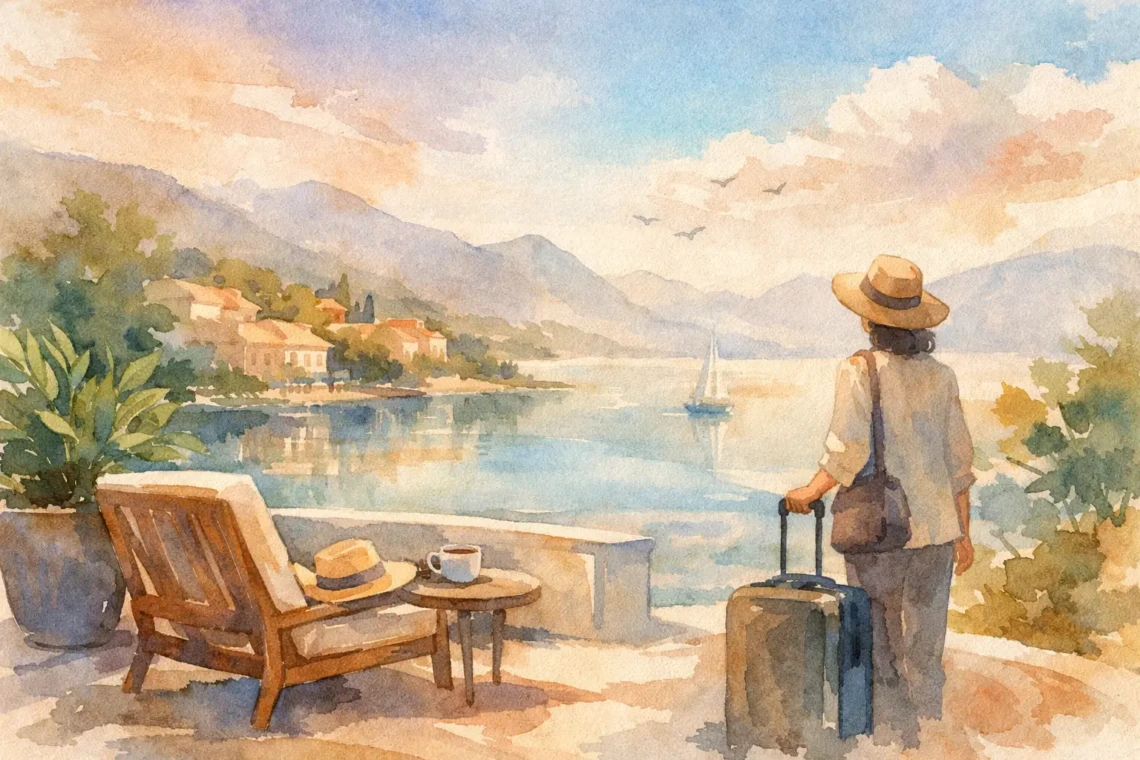
The first week of a long stay often tells the truth. If your space feels easy to live in, your internet works when you need it, and you can settle into a morning routine without friction, the whole experience changes. That is the real point of a guide to long stay living – not just finding a place to sleep, but choosing a base that supports your days.
Long stays appeal to different kinds of travellers for the same reason. Couples want more privacy and less rush. Remote workers need reliable basics so work does not take over the trip. Small families want room to cook, rest, and keep a comfortable rhythm. And for some people, a few weeks in one place is the first step toward a bigger lifestyle decision.
A long stay is not simply a holiday stretched over more nights. It sits somewhere between travel and daily life. You are still exploring, but you are also buying groceries, doing laundry, planning your work hours, and learning how the area moves.
That is why the right property matters more on a long stay than it does on a short break. A beautiful room can carry a weekend. Over several weeks, small details start to matter much more – kitchen setup, storage, airflow, quiet at night, parking, outdoor space, and whether the host is attentive without being intrusive.
Long stay living also changes how you experience a destination. Instead of trying to see everything in three days, you start to notice what actually fits your pace. One beach becomes your morning spot. One café becomes familiar. One road home starts to feel natural.
The biggest mistake people make is booking for the photos and not for real life. On a longer stay, comfort is practical. You want a place that helps your days run smoothly, not one that asks you to work around it.
Privacy is usually worth paying for. Having your own kitchen, laundry, and outdoor space creates a sense of calm that is hard to get in a busier hotel setup. If you are staying as a couple or with family, this becomes even more valuable after the novelty of arrival wears off.
Location needs a bit more thought than “close to everything.” Busy areas can be fun for a few nights but tiring over a month. A quieter setting with easy access to beaches, restaurants, and essentials often gives a better balance. In the Santa Teresa area, for example, many long-stay guests prefer being close enough to reach Santa Teresa, Montezuma, or Manzanillo without living in the middle of constant traffic and noise.
A good host also makes a real difference. During a long stay, questions come up. You may need local recommendations, help with a small issue, or guidance on how the area works. Owner-hosted places often feel more personal and more dependable in those moments.
Some amenities sound nice when you book. Others become non-negotiable once you are living there. Reliable Wi-Fi is at the top of the list for remote workers, but even leisure travellers appreciate not having to think about it. Air conditioning matters differently depending on your schedule, the season, and how much time you spend indoors. Laundry, a proper kitchen, and comfortable seating usually end up being more important than people expect.
If you plan to stay for several weeks, ask yourself simple questions. Can I cook here without improvising? Is there enough room for my things? Can I take a call in peace? Will I enjoy being here on a rainy afternoon? Those answers will tell you more than staged photos ever will.
Long stays can be better value than short trips, but only if you look beyond the nightly rate. A lower price may come with trade-offs that cost you time, comfort, or transport. A slightly higher rate for a well-equipped place can be cheaper in practice if it reduces daily spending and friction.
Think in weekly terms. What will you spend on groceries, meals out, transport, laundry, and small extras? If you are working remotely, also consider how much a poor setup could affect your time and focus. Cheap can become expensive very quickly when you need to solve the same problem every day.
It also helps to be honest about your style. Some guests are happy with simple living and spend most of their time outside. Others want a calm, attractive home base where they can rest well and host a friend for dinner. Neither approach is wrong, but they lead to different choices.
This is one of the most common long-stay decisions. Staying in the centre usually gives you quicker access to shops, nightlife, and beach traffic. Staying slightly outside the busiest zone often gives you more space, more nature, and better sleep.
For many people, especially on a stay of several weeks, quiet wins. The extra few minutes of driving or arranging transport can be worth it for a peaceful morning, wildlife around you, and a home that feels restorative instead of overstimulating. It depends on your priorities, but it is worth deciding early.
One reason people choose longer stays is to replace packed itineraries with a steadier pace. That sounds simple, but it takes intention. Without any routine, the days can blur. With too much structure, you end up recreating life at home in a different climate.
A good rhythm usually has just enough shape to support your energy. Work in the morning, surf later. Groceries one day, a beach sunset the next. A quiet dinner at home during the week, a few meals out when it feels easy. Long stay living works best when your days feel sustainable rather than productive in a strict sense.
If you work remotely, choose a setup that protects boundaries. It helps to have a table or area that feels distinct from where you fully relax. Good internet is part of this, but so is sound, lighting, and comfort. If your environment asks you to constantly adapt, work will feel heavier than it should.
People often put pressure on themselves to “live like a local” the minute they arrive. That usually leads to performance more than connection. A better approach is simpler: be respectful, be curious, and let familiarity build over time.
Learn where to buy the basics. Notice when roads are busier. Ask for recommendations from people who know the area well. Keep your plans flexible enough to follow weather, energy, and local advice. In places shaped by nature, that flexibility is part of living well.
If you are staying in a nature-immersed setting, you may also need to adjust your expectations in a good way. Wildlife sounds at night, early sun, changing road conditions, and the slower rhythm of coastal towns are not inconveniences to eliminate. They are part of why people stay longer in the first place.
Sometimes a long stay is just that – a better way to travel. Sometimes it turns into a test of a possible move, an investment idea, or a different version of daily life. If that thought comes up, pay attention to what you enjoy consistently, not only what feels exciting in the first ten days.
Do you like the pace once novelty fades? Does the area make daily life feel lighter or harder? Can you imagine your routines here in different seasons? These questions matter more than a perfect sunset when you are thinking beyond one booking.
This is also where local insight becomes valuable. A host with real roots in the area can often share the practical side of living there, not just the highlights. For guests staying with a small, owner-hosted brand such as Villas Pura Vida, that kind of guidance can make the stay feel more grounded and personal.
Before you commit, think less like a tourist and more like a temporary resident. Choose a place where you can sleep well, cook easily, work if needed, and enjoy quiet time without always needing to go somewhere. Look for comfort that will still matter after the excitement of arrival settles.
Then give yourself permission to slow down. You do not need to fill every day to make the stay worthwhile. Often the best sign that you chose well is very simple – after a week, your life there starts to feel easy.
If you are planning a longer stay, aim for a place that gives you both peace and access. That balance is what turns extra nights into a genuinely good season of living.

Use this buyer inspection example Cobano... Read More

Choose a quiet villa surrounded by... Read More

Plan a jungle stay near Santa... Read More

If the digital nomad is looking for tranquility, space, high-speed internet and the chance…
You are very welcome and thanks for your comment. We really appreciate it.
Once you’ve nailed down the desired functionality of your new patio, think about the…
This was helpful. Found this the other day and it cleared a lot up.…
phskycasino has some great games, and I'm really enjoying them. Definitely worth checking out…

Enter your email address and we will send you a link to change your password.

[…] stays, especially if you are treating the trip as a special occasion. It can also go lower on longer stays, where weekly or monthly rates often improve the price of your villa. […]