


Santa Teresa Development Outlook for 2026
- September 15, 2026
- Blog
Santa Teresa development outlook for 2026: what new growth may mean for stays, property buyers, roads, water and the quieter side of... Read More
 by User Deleted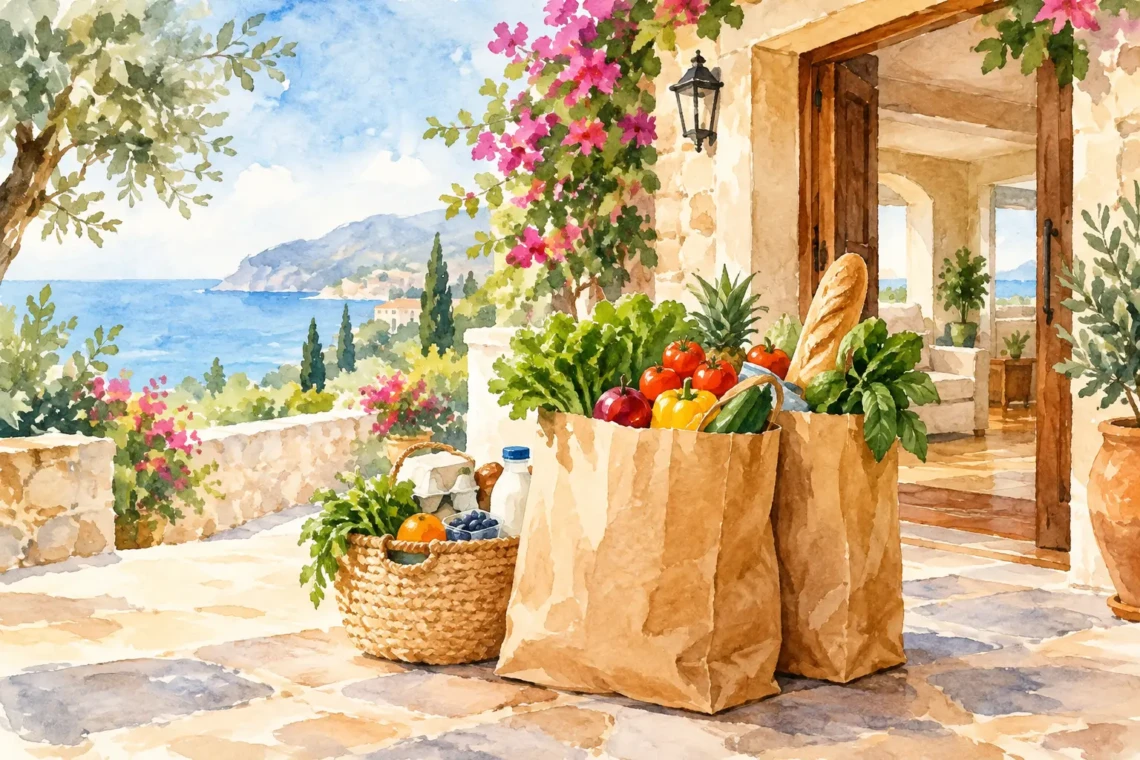
A late arrival feels very different when the villa kitchen has coffee for the morning, cold water in the fridge, and something easy to eat after the road. Preparing your villa grocery arrival before you travel is one of the simplest ways to begin a Costa Rica stay feeling settled rather than rushed.
For guests staying outside the busiest beach areas, a little planning goes a long way. The Santa Teresa and Cóbano region rewards a slower rhythm, but it also means you may not want to spend your first evening searching for groceries after a flight, a ferry, or a long drive. Start with enough food for your first night and first breakfast, then shop locally once you have had time to explore.
It is tempting to create a complete grocery order for every meal of a week-long stay. Usually, that leads to too much food, missed preferences, and a fridge full of items you never use. Instead, plan for your arrival evening, breakfast the next morning, and a few flexible snacks.
Think about the moment you walk through the door. You may be tired, hungry, and ready to shower rather than cook. A simple dinner such as pasta with a prepared sauce, tortillas with beans and cheese, or a fresh salad with rotisserie chicken can make the first night easy. Add fruit, bread, eggs, coffee or tea, milk or a preferred alternative, and a few drinks.
This approach also leaves room for the enjoyable part of grocery shopping: discovering local fruit, choosing fish when you see what looks good, and picking up supplies around your actual plans. A beach day needs different food than a day spent working from the villa or visiting Montezuma.
Your arrival time should guide the list. Guests arriving before midday may only need a light snack and breakfast supplies. If you expect to arrive after dark, plan for a complete no-effort dinner and enough essentials to avoid an early morning errand.
For most couples, a practical first-day order includes drinking water, coffee, breakfast basics, fruit, one easy meal, and snacks. Small families may want familiar items for children, such as cereal, yogurt, crackers, and pasta. Remote workers staying longer may appreciate a few dependable lunch ingredients from day one, especially if they plan to open the laptop the next morning.
A useful arrival list often has four parts:
Keep quantities modest. Costa Rica has excellent fresh produce, and you will likely enjoy buying ripe papaya, pineapple, bananas, avocado, herbs, and local vegetables once you are there.
Choose foods that hold up if your arrival schedule shifts. Shelf-stable pasta, rice, crackers, nut butter, canned beans, and sauces are helpful foundations. Refrigerated items are still useful, but avoid building your entire first meal around something delicate if you are not certain when you will arrive.
Warm weather matters, too. Bring or arrange food that can be put away promptly, and avoid ordering more perishable groceries than you can use in a few days. If you are staying for several weeks, buy the basics first, then settle into a shopping rhythm that suits your routine.
A fully equipped villa makes self-catering comfortable, but every kitchen has its own layout and equipment. Before finalizing your list, review the amenities provided with your accommodation. Knowing whether you have a blender, oven, coffee maker, barbecue, or washing machine can shape both your food plan and the small household items you choose to bring.
For example, guests who enjoy smoothies may want bananas, tropical fruit, greens, yogurt, and ice-ready drinks. If cooking dinner on the grill is part of the plan, buy a simple first-night meal rather than ingredients for several elaborate recipes. Those working remotely may want a larger coffee supply, easy breakfasts, and lunch ingredients that do not interrupt the workday.
Also ask what basics are already provided or what your host recommends you bring. Cooking oil, salt, dish soap, coffee filters, paper goods, and drinking water arrangements can vary between properties. A quick question before arrival prevents duplicate purchases and lets you pack lighter.
The larger shops around Cóbano are often the practical choice for a fuller grocery run, particularly if you are arriving by rental car or arranging transport through the area. Smaller stores nearer the beaches are convenient for top-ups, cold drinks, and forgotten ingredients, though selection and prices can vary.
This is where planning has a real trade-off. Shopping before reaching the villa can save time later, but it adds a stop to a travel day that may already feel long. Having groceries arranged in advance offers more rest on arrival, yet it can be less spontaneous and may depend on delivery availability, your exact location, and the weather or road conditions.
If you are unsure, choose the middle ground: cover the first 24 hours before arrival, then make a relaxed local grocery run the next day. Villas Pura Vida guests can also ask Gera for practical, current guidance on nearby options and what makes sense for their route.
Many everyday groceries are available in the area, but imported brands and highly specific dietary products may be limited or cost more than expected. If you rely on a particular protein powder, infant formula, gluten-free brand, medication-related food, or favourite coffee preparation, bring a reasonable supply from home when travel rules allow.
For vegan, vegetarian, gluten-free, or allergy-conscious guests, planning is especially helpful. Fresh fruit and vegetables, rice, beans, tortillas, nuts, and many simple whole foods make it easy to eat well, but packaged specialty substitutes are less predictable. Write down key Spanish food terms or translate ingredient concerns before you travel, particularly for serious allergies.
After a tropical drive, everyone wants something cold. Include more drinking water than you think you will need for the first day, plus electrolyte packets or coconut water if you are arriving after a long journey. The exact drinking-water setup can differ by property, so confirm the local recommendation with your host rather than making assumptions.
If wine, beer, or ingredients for cocktails are part of your holiday, buy them intentionally instead of filling the fridge. A few chosen drinks can be perfect for a quiet evening surrounded by nature. Larger quantities are often unnecessary when you may prefer trying a nearby restaurant, heading to the beach for sunset, or keeping early plans for surfing and exploring.
Once you arrive, put away perishables first and take two minutes to organize the fridge. Keep breakfast foods together, place easy snacks where everyone can see them, and reserve one shelf for beach-day supplies. This small reset makes the villa feel like home quickly.
For longer stays, create a simple pattern rather than an ambitious meal schedule. Keep easy staples on hand, buy fresh produce every few days, and plan one or two meals that use ingredients across the week. Rice, beans, eggs, tortillas, fresh vegetables, and a protein of your choice can become breakfast, lunch, or dinner without much waste.
A villa stay gives you the freedom to move at your own pace. You can cook when a quiet night sounds right, make coffee before the birds are fully awake, or pack fruit and snacks for a day at Playa Hermosa or Manzanillo. The goal is not to stock a perfect kitchen. It is to give your first day enough comfort that the rest of the trip can unfold naturally.
When the arrival food is simple, cold drinks are waiting, and breakfast is already handled, there is nothing left to do but exhale, listen to the surrounding nature, and let the Costa Rican pace find you.



Prepare villa grocery arrival plans before... Read More

Santa Teresa development outlook for 2026:... Read More

Looking for the best wildlife lodges... Read More
you are in reality a good webmaster. The web site loading speed is incredible.…
If the digital nomad is looking for tranquility, space, high-speed internet and the chance…
Great content! Keep up the good work!
You are very welcome and thanks for your comment. We really appreciate it.
Once you’ve nailed down the desired functionality of your new patio, think about the…

Enter your email address and we will send you a link to change your password.

Join The Discussion