

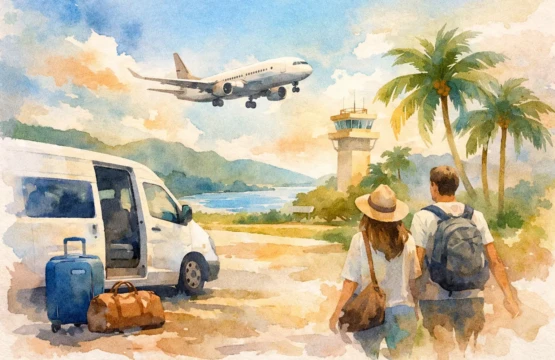
How to Arrange a Cobano Airport Transfer Easily
- September 11, 2026
- Blog
Arrange Cobano airport transfer with confidence: pickup timing, vehicle choice, luggage, child seats and local road tips for a calm Santa Teresa... Read More
 by User Deleted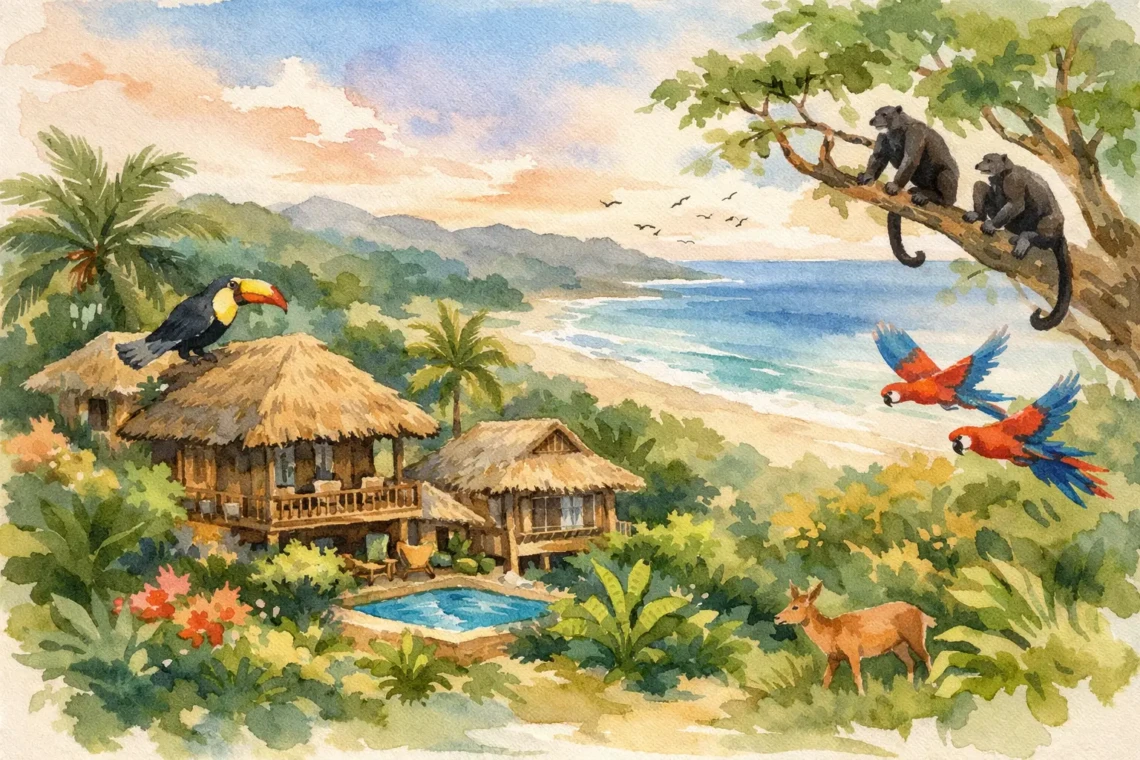
The best wildlife lodges near Santa Teresa are not always the ones with the most remote address or the loudest eco-label. In this part of the Nicoya Peninsula, wildlife is often close by: howler monkeys moving through the trees at sunrise, iguanas resting in the warmth, bright birds in the garden, and butterflies crossing your terrace. The real choice is finding a stay where you can enjoy that nature without giving up the comfort, privacy, and practical details that make a Costa Rica holiday feel easy.
Santa Teresa attracts surfers, beach lovers, remote workers, and families, but the busiest parts of town are not right for every traveller. A nature-focused lodge or villa a short drive inland or near the quieter roads around Río Negro and Cóbano can offer a different rhythm. You can wake to birds instead of traffic, return from the beach to a peaceful setting, and still keep Santa Teresa, Montezuma, Manzanillo, and Playa Hermosa within reach.
Do not expect the classic safari-lodge format found in some rainforest destinations. Around Santa Teresa, wildlife stays are usually smaller, more personal properties: independent villas, eco-cabins, garden bungalows, and boutique hideaways set among tropical dry forest and mature trees.
That distinction matters. A large resort may have more on-site services, but it can also mean more people, more noise, and less privacy. A small nature-immersed property may not have a lobby restaurant or a full activity desk, yet it can offer something many guests value more: space to slow down and feel part of the landscape.
The best choice depends on your trip. Couples may prefer a private terrace and a quiet pool area. Families often benefit from a full kitchen, laundry, separate sleeping spaces, and secure outdoor areas. For a longer stay, reliable Wi-Fi, air conditioning, parking, and a proper workspace can matter just as much as the view from the hammock.
A good wildlife stay should feel connected to nature, not isolated in an inconvenient way. Before booking, look beyond photos of lush greenery and consider how the property fits into the rest of your trip.
Trees, native gardens, and a lower-density setting create better opportunities to see wildlife naturally. Howler monkeys often use tree corridors, while birds and iguanas are more common where there is shade, fruiting vegetation, and fewer hard surfaces. A property does not need to be deep in the jungle to offer memorable sightings.
At the same time, wildlife should be observed respectfully. The most responsible stays do not feed monkeys, leave food outside, or encourage close encounters for photos. Keep doors closed when you are out, store fruit and snacks properly, and enjoy animals from a comfortable distance. That protects both guests and the animals that call the area home.
Costa Rica’s heat, humidity, and occasional heavy rain can turn small accommodation details into big ones. Air conditioning in bedrooms, good window screens, hot water, quality bedding, and a well-equipped kitchen are not unnecessary extras when you want to rest well after a day outside.
For Canadian travellers staying a week or more, laundry facilities are especially useful. So is a kitchen that lets you make coffee early, prepare breakfast before a beach day, or enjoy a quiet dinner at home. These features give you more flexibility than a room-only lodge, particularly if you are travelling with children or working remotely.
Santa Teresa’s roads and distances can be deceptive. A place that appears close on a map may involve an unpaved road, a river crossing in the wet season, or a longer drive than expected after dark. Ask about access, whether a 4×4 is recommended, parking, and how far the property is from the beach, groceries, and restaurants.
A quieter base near Río Negro or Cóbano can be a smart choice for travellers who want variety. Santa Teresa and Playa Carmen are easy for surfing, restaurants, and beach sunsets. Playa Hermosa offers a more open, relaxed shoreline. Montezuma is a beautiful day trip for waterfalls and coastal scenery, while Manzanillo provides another peaceful beach option. Staying slightly outside the busiest strip can make it easier to experience more than one side of the peninsula.
There is no single best location for everyone. The right wildlife lodge depends on what you want most from your days.
If surfing and evening restaurants are the priority, stay close enough to Santa Teresa or Playa Carmen that driving back after sunset feels simple. You may see less wildlife than at an inland stay, but you will gain convenience and spontaneous access to town.
If quiet mornings, birdlife, and privacy are the priority, choose a property surrounded by trees outside the central beach strip. You will likely want a rental vehicle, especially for groceries and exploring, but the reward is a calmer return at the end of the day.
For families, look for a self-contained home rather than a compact cabin. A kitchen, laundry, air-conditioned bedrooms, and room for everyone to spread out can make the difference between an enjoyable holiday and a tiring one. For digital nomads, confirm the Wi-Fi setup before arrival and consider whether mobile signal, backup power, and a dedicated table matter for your work schedule.
The dry season, generally from December through April, brings sunnier days, dusty roads, and high demand. Wildlife is still present, but mornings and late afternoons are often the most comfortable times to sit outside and listen for monkeys or watch birds. Book early if you want a particular style of stay during holiday periods.
The green season, usually from May through November, can be wonderful for travellers who enjoy a greener landscape and fewer crowds. Afternoon rain is common, roads may require more care, and humidity rises. In return, gardens feel more alive, the forest becomes lush, and a villa with covered outdoor space, a kitchen, and reliable amenities becomes especially appealing.
No matter the season, pack reef-safe sun protection, insect repellent, a reusable water bottle, light rain gear, and shoes that can handle uneven ground. Wildlife stays are more enjoyable when you are ready for the conditions rather than trying to avoid them.
A few direct questions can help you separate a genuinely comfortable nature stay from one that only looks appealing online. Ask whether the property is private or shared, how access works after dark, what wildlife is commonly seen on site, and whether the home has screens and air conditioning. If you are staying longer, ask about internet reliability, laundry, cleaning arrangements, and the nearest grocery options.
It is also worth asking how the host supports guests locally. A thoughtful host can recommend beaches that suit the day’s conditions, help you understand road access, and point you toward practical services in Cóbano or nearby towns. At a small, owner-hosted place such as Villas Pura Vida, that local perspective can be as valuable as an impressive view.
The most rewarding wildlife stay near Santa Teresa is one that gives you room to notice the small moments: a monkey call carrying through the trees, a gecko on the wall at night, coffee on a shaded terrace before the road gets busy. Choose comfort, choose a location that works for your plans, and let nature be part of the holiday rather than another item on the itinerary.


Looking for the best wildlife lodges... Read More

Arrange Cobano airport transfer with confidence:... Read More

Wellness travel lodging trends now favour... Read More
you are in reality a good webmaster. The web site loading speed is incredible.…
If the digital nomad is looking for tranquility, space, high-speed internet and the chance…
Great content! Keep up the good work!
You are very welcome and thanks for your comment. We really appreciate it.
Once you’ve nailed down the desired functionality of your new patio, think about the…

Enter your email address and we will send you a link to change your password.
Join The Discussion